Haunted addresses on record in Washington
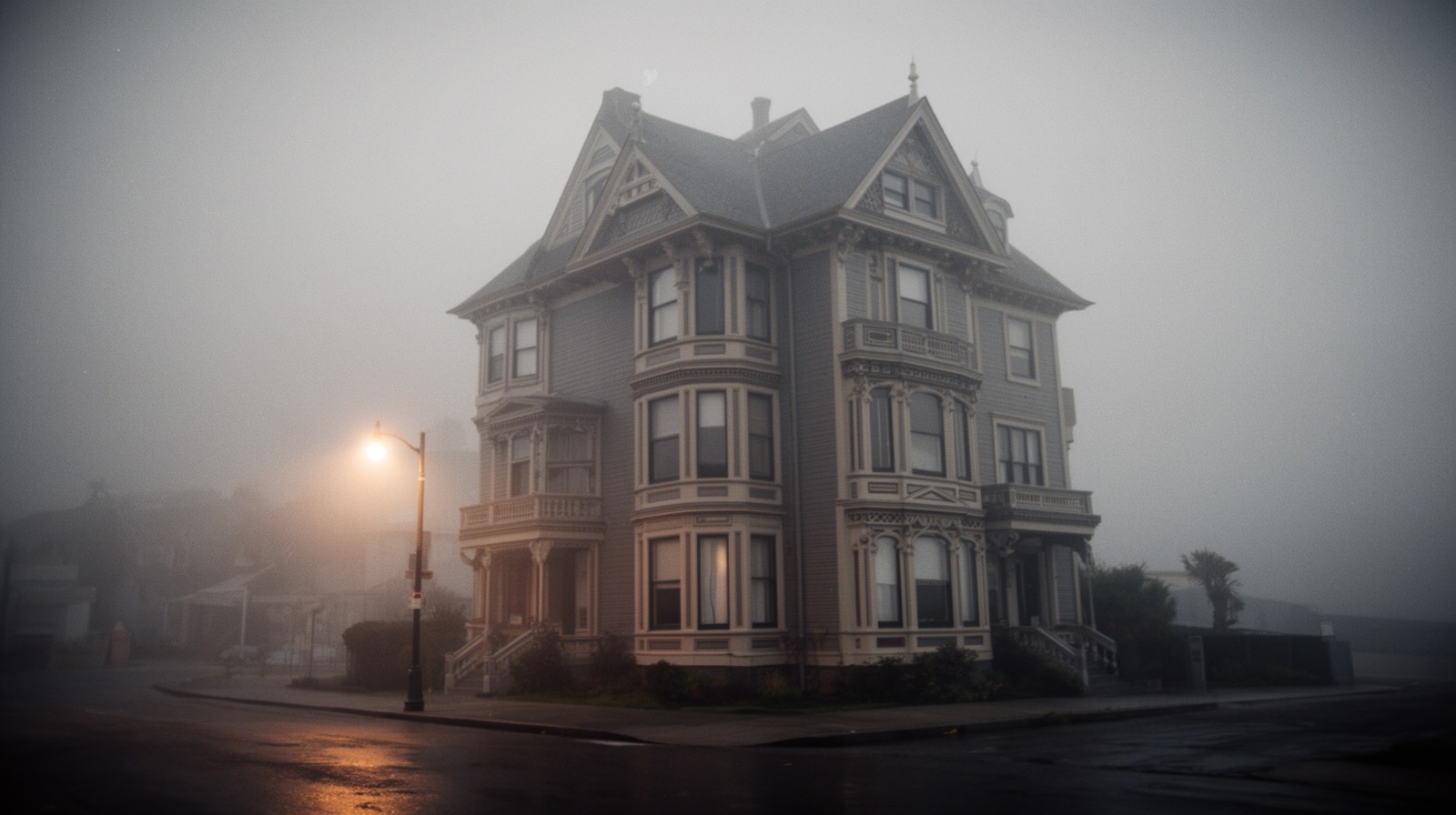
What Washington requires
Washington law explicitly says a death, murder, suicide, or other stigmatizing history at a property is not a 'material fact' — so sellers and real estate brokers have no legal duty to volunteer it, as long as it didn't damage the property or cloud the title. There's no California-style time window on this; the exemption doesn't expire after a few years. Brokers do carry a general duty to 'deal honestly and in good faith,' so a direct question likely still needs a truthful answer.
Washington's real estate brokerage relationships law (RCW 18.86.010(11)) defines 'material fact' — the category of things a broker must disclose to a party — and then carves stigma out of it by name: 'The fact or suspicion that the property, or any neighboring property, is or was the site of a murder, suicide or other death, rape or other sex crime, assault or other violent crime, robbery or burglary, illegal drug activity, gang-related activity, political or religious activity, or other act, occurrence, or use not adversely affecting the physical condition of or title to the property is not a material fact.' In plain terms: if it didn't physically damage the house or mess with the title, a broker has no statutory duty to bring it up unprompted.
Washington has no equivalent to California's three-year death-disclosure window (Civil Code Section 1710.2). Rather than requiring disclosure for a limited period and then exempting it, Washington's statute is a standing, open-ended exemption from disclosure duty — the fact that a death happened doesn't become 'more disclosable' or 'less disclosable' depending on when it occurred.
On the ask rule: the same chapter (RCW 18.86.030(1)) requires every broker to 'deal honestly and in good faith' with all parties to a transaction, alongside a separate duty to disclose material facts. Washington statute doesn't spell out a standalone rule for direct questions about deaths or hauntings specifically, but that general honesty duty is the practical backstop — a broker who is asked point-blank and answers falsely would likely be breaching that duty, even though nothing requires volunteering the information unprompted.
A notable quirk: Washington's carve-out is broader than the death-only exemptions common in many states. The same sentence in RCW 18.86.010(11) also exempts rape and other sex crimes, assault, robbery/burglary, illegal drug activity, gang-related activity, and even 'political or religious activity' at the property from the disclosure duty, all under the same physical-condition/title test. This provision was last amended in 2023 (effective January 1, 2024), so it reflects current law.
General information, not legal advice. Laws change and turn on details — for a real decision, talk to a licensed professional in Washington.
The Washington record is waiting
No entries filed from Washington yet. If something happened at an address you know, write it down — you may be the reason the next resident feels less alone at 3 AM.